Why Nebraska Homeowners Should Consider Multi-Policy Discounts
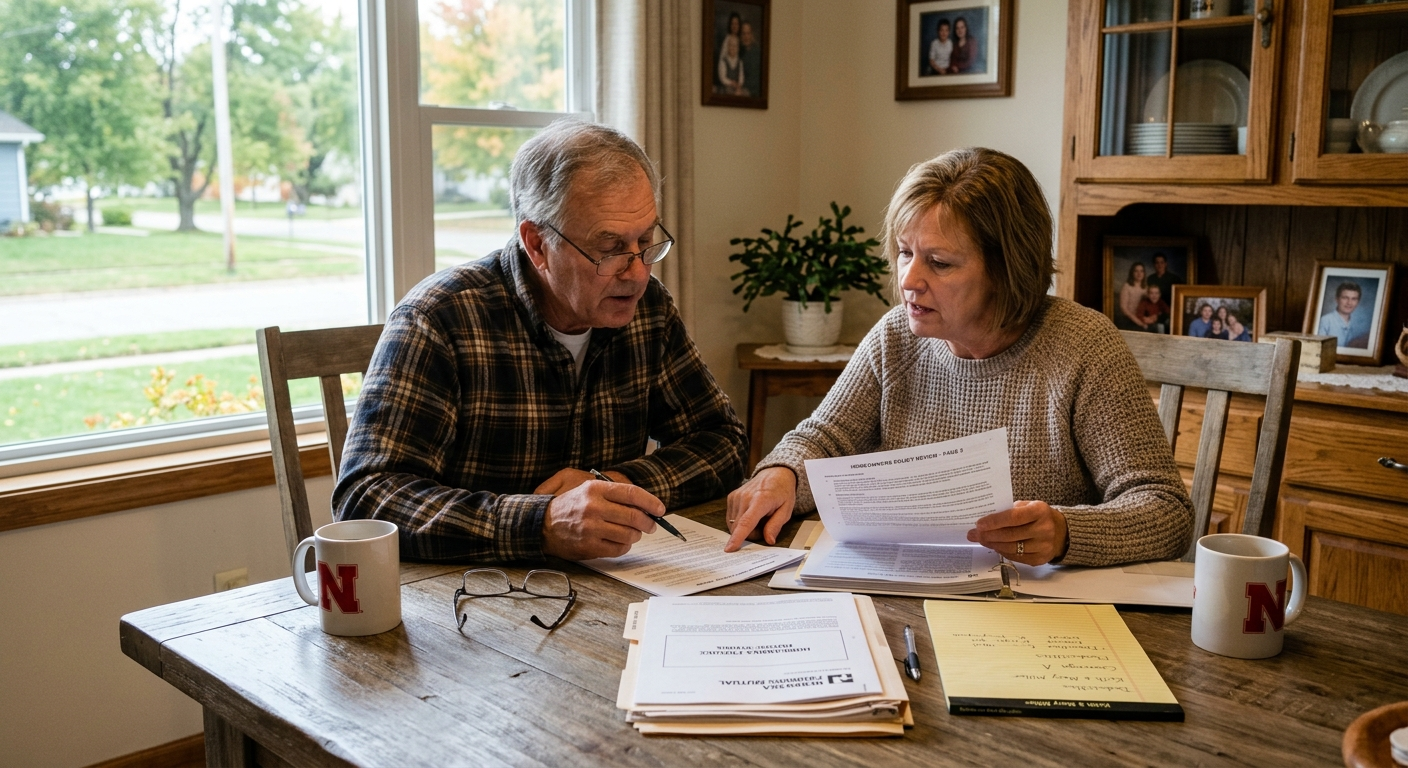
You're probably paying more for insurance than you need to. Not because you have bad coverage, but because you're buying your auto and home insurance separately. Insurance companies reward customers who consolidate their policies, offering multi-policy discounts that can reduce your total premium by 15-25% or more.
Bundling isn't just about saving money, though the savings are significant. It's about simplifying your insurance life. One renewal date instead of two. One agent who understands your complete insurance picture. One phone call when something goes wrong. For busy Nebraska families juggling work, kids, and everything else, that convenience matters.
But bundling isn't automatically the right move for everyone. Let's walk through how it works, what you'll save, and when it makes sense to keep your policies separate.
Understanding Multi-Policy Discounts in Nebraska
When you bundle your auto and homeowners insurance with the same carrier, you're essentially becoming a more valuable customer. Insurers know that customers with multiple policies are less likely to switch carriers, which reduces their customer acquisition costs. They pass some of those savings to you through multi-policy discounts.
The typical discount ranges from 15-25%, though some carriers offer even more. Here's what that looks like in real dollars: if you're paying $1,500 annually for auto insurance and $1,200 for homeowners, a 20% discount saves you $540 per year. Over a decade, that's $5,400 in savings without sacrificing any coverage.
The discount usually applies to both policies, though the percentage may differ. Some carriers apply a larger discount to the auto policy, others to the home policy. The structure varies by company, but the total savings remain substantial.
At Eric Luebbe Insurance Agency, we work with multiple carriers, which means we can compare bundled rates across different companies to find you the best overall price and coverage combination.
What Nebraska Drivers and Homeowners Need to Know Before Bundling
Before you rush to bundle, understand that the cheapest bundled option isn't always the best value. You need to consider coverage quality, deductibles, and carrier financial strength alongside price.
Coverage Considerations
Bundling only makes sense if both policies provide adequate protection. A 20% discount doesn't help if your homeowners policy has a $5,000 deductible you can't afford or your auto policy carries state minimum liability limits that won't protect your assets.
Compare these factors across carriers:
Homeowners coverage limits: Ensure your dwelling coverage reflects current replacement costs, not just the discount rate.
Auto liability limits: Nebraska requires only 25/50/25 liability coverage, which is dangerously low for most homeowners. Consider at least 100/300/100 or higher.
Deductibles: Some carriers offer lower premiums with higher deductibles. Make sure you could cover the deductible if you needed to file a claim.
Additional coverages: Check whether umbrella insurance, valuable items coverage, or other endorsements are available and reasonably priced.
Carrier Stability and Service
The best discount in the world doesn't matter if your carrier can't pay claims efficiently or provides terrible customer service. Nebraska experiences severe weather regularly—hail, tornadoes, winter storms—and you need a carrier with strong financials and a track record of fair claim settlements.
Research carrier ratings from A.M. Best, which assesses insurance companies' financial strength. Look for carriers rated A- or higher. You can also check complaint ratios through the Nebraska Department of Insurance to see how carriers handle customer issues.
How to Get the Best Bundle Rate in Nebraska
Getting the best bundled rate requires more than just calling your current insurer and asking for a discount. You need to shop the market, and that's where working with an independent agency makes a difference.
Compare Multiple Carriers
We represent multiple insurance carriers, which means we can bundle your policies with different companies and compare the results side by side. Carrier A might offer the best auto rates, while Carrier B excels at homeowners coverage. But Carrier C might provide the best bundled package overall.
You won't discover this by calling individual companies one at a time. The comparison process would take hours and you'd still miss carriers you don't know about. We handle this for you, presenting you with the top options based on your specific situation.
Maximize Additional Discounts
Bundling is just one discount. Most carriers offer multiple discount opportunities that stack on top of your multi-policy savings:
Claims-free discount: No claims over a specified period (typically 3-5 years) can reduce your premium.
Security system discount: Monitored alarm systems, smoke detectors, and security cameras reduce your homeowners premium.
Automatic payment discount: Setting up autopay often qualifies for a small discount.
Paperless discount: Receiving documents electronically instead of by mail.
Good student discount: Students with strong grades (usually B average or better) qualify for auto insurance discounts.
Defensive driving discount: Completing an approved driving course can reduce auto premiums.
Multi-vehicle discount: Insuring multiple vehicles with the same carrier provides additional savings.
Combining these discounts with your bundle discount can reduce your total insurance costs by 30% or more.
Review Your Coverage Annually
Your insurance needs change. You buy a newer car. You remodel your kitchen. Your teenager gets their license. Each change affects your rates and coverage needs.
We recommend an annual policy review, especially in Nebraska where severe weather can impact rates regionally. Construction costs have risen dramatically in recent years, which means your homeowners coverage limits from three years ago might leave you underinsured today. Understanding what your homeowners insurance actually covers helps you identify gaps before you need to file a claim.
When Bundling Might Not Be Your Best Option
Bundling usually saves money, but there are situations where keeping policies separate makes more sense.
If one of your policies is significantly more expensive than market rates, the bundle discount might not overcome that difference. For example, if you have a teen driver making your auto insurance extremely expensive with one carrier, you might get a better overall deal by placing your auto policy with a carrier that specializes in high-risk drivers while keeping your homeowners policy elsewhere.
Similarly, if you have unique property characteristics—a historic home, a house with expensive custom features, a property in a high-risk flood zone—you might need a specialty insurer for your homeowners policy. Standard carriers that offer good bundled rates might not provide adequate coverage for specialized properties.
Your specific situation determines whether bundling saves you the most money. That's why we quote both bundled and separate options, showing you the actual numbers so you can make an informed decision.
The Bundling Process: What to Expect
Moving to a bundled policy is straightforward, but you'll need some information ready to get accurate quotes.
Information You'll Need
For homeowners insurance:
- Property address and year built
- Square footage and construction type
- Roof age and material
- Updates to electrical, plumbing, or HVAC systems
- Security and fire protection systems
- Current coverage amounts and deductibles
For auto insurance:
- Vehicle make, model, and year for all vehicles
- VIN numbers
- Current mileage
- Driver's license numbers for all household drivers
- Current coverage levels
- Driving history for the past 3-5 years
Having this information organized speeds up the quote process considerably.
Timing Your Bundle
You don't have to wait until both policies are up for renewal to bundle. You can switch your homeowners insurance at any time—you'll receive a prorated refund for the unused portion of your current policy. The same applies to auto insurance.
That said, timing your bundle to coincide with at least one renewal date can simplify the transition. If your homeowners policy renews in three months and your auto policy in six months, you might wait for the homeowners renewal, switch both policies then, and receive your auto policy refund.
There's no wrong time to bundle if the savings are substantial. We can help you determine the best timing based on your current policy dates and the potential savings.
Nebraska-Specific Considerations for Bundled Coverage
Nebraska's weather patterns create unique insurance considerations that affect both your auto and homeowners policies.
Severe Weather Coverage
Nebraska experiences frequent hail storms, tornadoes, and winter weather that damage both vehicles and homes. Your bundled policies need robust coverage for these perils.
For homeowners insurance, ensure you have replacement cost coverage (not actual cash value) for both your dwelling and personal property. Pay special attention to roof coverage—some carriers impose restrictions on older roofs or apply higher deductibles for hail and wind damage.
For auto insurance, comprehensive coverage is essential. This protects your vehicle from hail damage, falling trees, and other non-collision events. Given Nebraska's hail frequency, skipping comprehensive coverage is risky.
Liability Protection
Nebraska's minimum liability requirements—25/50/25—aren't nearly enough to protect your assets if you cause a serious accident. If you own a home, you have substantial assets to protect, which means you need liability coverage well above the state minimums.
We typically recommend at least 100/300/100 auto liability coverage for homeowners, and often suggest umbrella insurance on top of that. Umbrella policies provide an additional $1-2 million in liability protection for both auto and homeowners claims, and they're surprisingly affordable when bundled—often $200-400 annually for $1 million in coverage.
Rural vs. Urban Considerations
Your location within Nebraska affects your rates. Rural properties might face higher homeowners premiums due to distance from fire stations, while urban areas often have higher auto insurance rates due to traffic density and accident frequency.
Bundling can offset some of these location-based rate increases, but it's another reason to compare carriers. Some insurers specialize in rural properties and offer better rates for homes outside city limits.
How an Independent Agency Makes Bundling Easier
Here's the honest truth: bundling through a captive agent (someone who represents one insurance company) limits your options. You get that company's bundled rate, period. You have no way to know if it's competitive without calling other agents and starting the process all over again.
Working with an independent agency like ours gives you access to multiple carriers through a single conversation. We gather your information once, quote it with our carrier partners, and present you with the best bundled options. You make one decision instead of researching five or six companies independently.
We also handle the transition. We coordinate cancellation of your old policies, set up your new bundled coverage, and ensure there are no coverage gaps during the switch. And after you're set up, we're here for ongoing service—endorsement changes, claims assistance, annual reviews, and questions that come up along the way.
See what our clients say about us on Google to get a sense of how we work with Nebraska families to simplify their insurance while reducing costs.
Ready to see how much you could save by bundling? Request a free quote and we'll show you exactly what bundling would save you with multiple carriers, so you can make the best decision for your situation.
Frequently Asked Questions
How much can I realistically save by bundling auto and home insurance in Nebraska?
Most Nebraska homeowners save 15-25% on their combined premiums by bundling, though exact savings vary by carrier and your specific situation. For a household paying $1,500 for auto and $1,200 for home insurance annually, a 20% bundle discount would save $540 per year. Additional discounts for security systems, claims-free history, and automatic payments can increase total savings to 30% or more.
Will bundling affect my ability to switch carriers later?
No, bundling doesn't lock you into a contract—you can still switch carriers whenever you want. However, you'll lose the multi-policy discount if you move only one policy to a different carrier, which could increase your total costs. This is why people with bundled policies tend to stay with their carrier longer, but you're always free to shop for better rates elsewhere.
Can I bundle if I have a less-than-perfect driving record?
Yes, most carriers still offer bundle discounts even if you have tickets or accidents on your record, though your overall rates will be higher than someone with a clean record. In some cases, the bundle discount can help offset the premium increase from driving incidents. There are several strategies to lower your auto insurance costs even with a less-than-perfect record.
Do all insurance companies offer the same bundle discount?
No, bundle discounts vary significantly by carrier. Some offer 15% on both policies, others might offer 25% on auto and 10% on home, while another carrier might structure it differently. This variation is exactly why comparing bundled quotes from multiple carriers is so important—the carrier with the best individual rates might not offer the best bundled price.
Should I bundle renters insurance with auto insurance instead of homeowners?
Absolutely. If you rent rather than own, bundling renters insurance with your auto policy provides the same types of multi-policy discounts, typically 10-20% on your combined premiums. Renters insurance is already inexpensive (often $15-30 monthly), so adding it to your auto policy for additional savings and simplified coverage makes excellent financial sense.