Agribusiness insurance in Nebraska: what farm operations really need
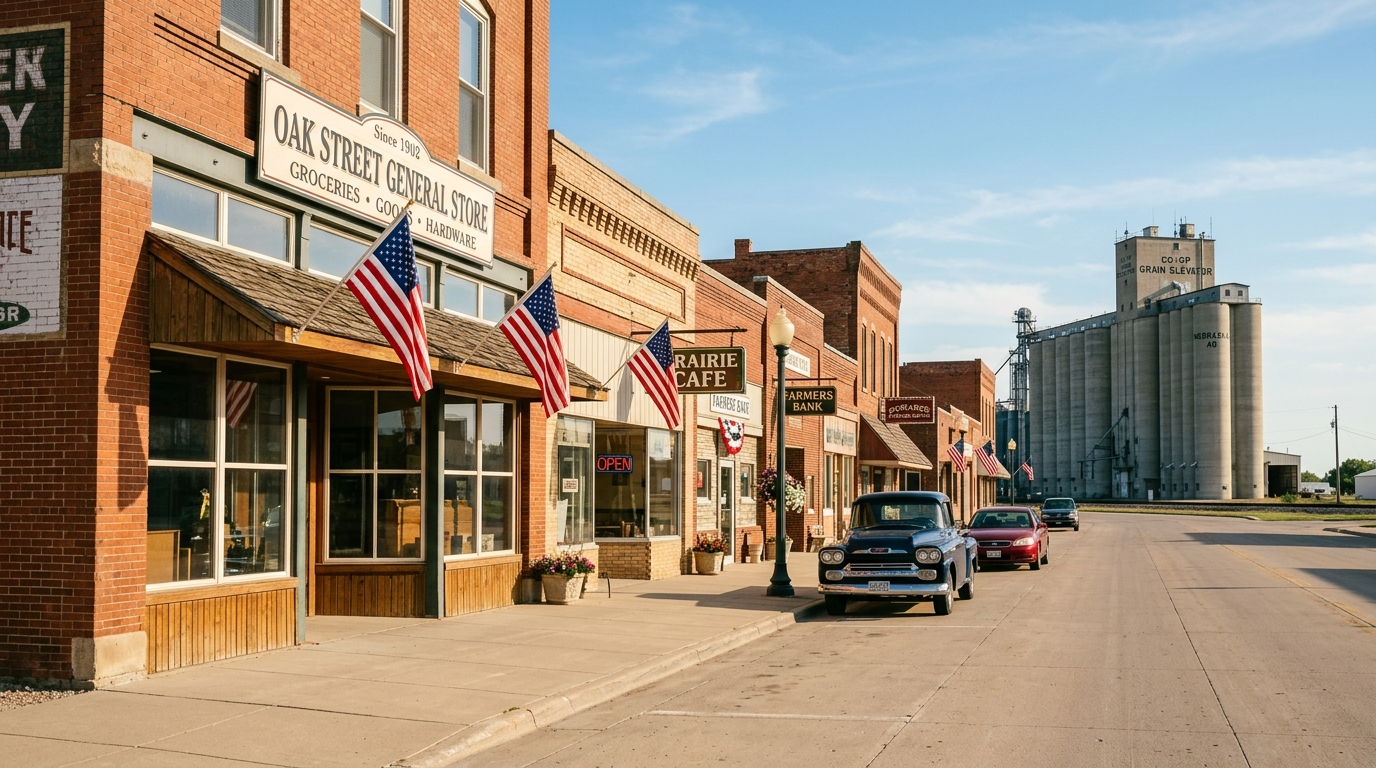
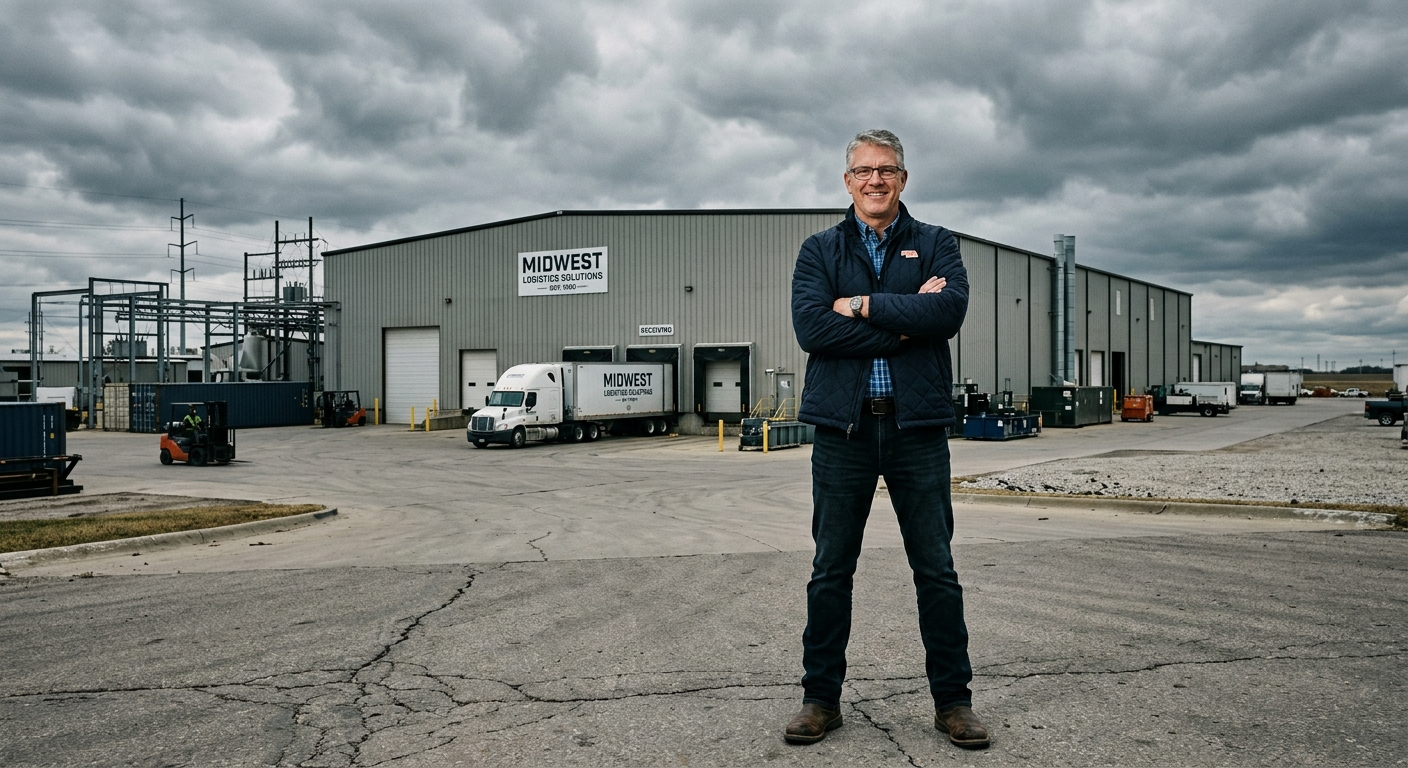
Nebraska is one of the top agricultural states in the country, and the operations running across its plains are not simple. From large-scale corn and soybean farms in the Platte River Valley to cattle feedlots near Fremont and West Point, agribusinesses here face a mix of risks that standard commercial policies were not built to handle. Agribusiness insurance in Nebraska is a specialized category that blends farm coverage, commercial liability, equipment protection, and business continuity into a single, coordinated program. If you run an operation where farming and business overlap, this post breaks down what that coverage looks like.
Who needs agribusiness insurance (and why it differs from farm insurance)
There is an important distinction between a traditional farm policy and an agribusiness policy. A farm policy is designed for a family farm that grows crops or raises livestock primarily for sale. An agribusiness policy is for operations where farming has grown into a commercial enterprise with employees, contracts, equipment fleets, product sales, and real liability exposure.
Nebraska operations that typically fall into the agribusiness category include:
- Grain elevators and co-ops storing and trading large volumes of commodity grain on behalf of multiple producers
- Feed mills and custom feedlots processing and selling feed or finishing cattle under contract
- Crop input retailers selling seed, fertilizer, and chemical products to area farmers
- Agri-processing facilities such as ethanol plants, meat processors, and dairy operations with commercial distribution
- Farm labor contractors and custom operators providing planting, harvesting, or trucking services to multiple farms
- Nurseries and greenhouses growing and selling plants, trees, or landscape materials commercially
- Agri-tourism businesses including corn mazes, pumpkin patches, and pick-your-own operations with public visitors
If your farm has employees on payroll, contracts with buyers or suppliers, or equipment that leaves your property regularly, you have likely moved beyond what a basic farm policy covers. Our post on farm business insurance in Nebraska covers the foundational layer, and agribusiness coverage builds on top of that.
Core coverage types for Nebraska agribusinesses
A well-structured agribusiness program typically combines several policies that work together. Below is a plain-language look at the main components.
Commercial property and farm property
Your physical assets are often where the most money is tied up. Commercial property coverage protects buildings such as grain storage facilities, processing buildings, retail structures, and offices. Farm property coverage extends that to barns, bins, fencing, and agricultural equipment. Nebraska's hail season, winter ice storms, and the occasional tornado make this coverage essential. Make sure your policy reflects current replacement costs, not what you paid for the structure ten years ago. Rebuilding costs have risen sharply in recent years.
General liability
If a customer slips at your grain elevator, a contractor is injured on your property, or a product you sold causes crop damage for another farmer, general liability covers your legal defense and any resulting judgments. For agribusinesses that interact with the public or sell products to other producers, this is foundational coverage. Nebraska does not require it by law, but any lender or grain merchandiser you do business with almost certainly will. You can read more about how this works in our general liability guide for Nebraska businesses.
Commercial auto and hired/non-owned auto
Agribusinesses move things constantly: grain trucks, nurse tanks, livestock trailers, pickup trucks driven by employees. A personal auto policy does not cover vehicles used in a commercial operation, and Nebraska law requires commercial auto coverage for vehicles registered to a business. If employees sometimes use their own vehicles on company business, hired and non-owned auto coverage fills the gap that your commercial auto policy leaves open.
Inland marine (equipment and product in transit)
Large farm equipment, GPS guidance systems, grain augers, and specialty machinery are expensive and often move between locations. Inland marine insurance covers equipment and goods while they are in transit or stored off your main property. For a custom harvesting operation or a business hauling fertilizer across eastern Nebraska, this is a critical piece. Our inland marine insurance guide goes deeper on how this coverage works and what it typically costs.
Workers' compensation
Nebraska requires workers' compensation for most employers with one or more employees. Agricultural employers have some exemptions under Nebraska Revised Statute 48-106, but those exemptions are narrower than many farm operators assume. If you have full-time hired hands, seasonal employees, or workers operating powered equipment, you almost certainly need coverage. A workplace injury on a farm or processing facility can result in medical bills and lost-wage claims that run well into six figures.
Business interruption insurance
What happens if a fire destroys your grain drying facility in October, right at harvest? Business interruption coverage replaces lost income and covers ongoing expenses such as loan payments and employee wages while you rebuild. For operations with tight seasonal cash flow, this can be the difference between surviving a major loss and closing permanently.
Commercial umbrella
Agribusinesses face large-dollar liability risks. A product liability claim from a contaminated feed batch, a multi-vehicle accident involving a grain truck, or a serious injury on your property can easily exceed the limits on a standard general liability policy. A commercial umbrella policy sits above your underlying coverage and pays when those limits are exhausted. For most agribusinesses in Nebraska, a $1 million to $5 million umbrella is a reasonable starting point.
Nebraska-specific risks agribusinesses face
Running an agribusiness anywhere requires careful risk management. Running one in Nebraska adds weather and geography that make the job harder.
Hail and severe weather
Nebraska sits firmly in tornado alley, and the eastern part of the state sees some of the most active hail seasons in the country. A single hailstorm can damage grain bins, strip roofing from storage facilities, and total equipment sitting in a yard. Coverage for buildings and equipment should reflect full replacement cost, and you should review your policy limits every year as input costs and rebuild costs continue to rise.
Flooding along the Platte and Elkhorn rivers
The Platte River Valley and the Elkhorn River corridor through communities like Fremont, North Bend, and Scribner saw catastrophic flooding in 2019 that damaged hundreds of agricultural operations. Standard commercial property policies exclude flood damage. If your operation is anywhere near a river, creek, or low-lying area, a separate commercial flood policy through the National Flood Insurance Program or a private carrier is worth a serious conversation.
Grain price volatility and commodity risk
Insurance does not cover price risk, but it does cover the physical assets and revenue tied to your stored inventory. Grain stored in bins on your property should be covered under your farm property policy. Grain held at a licensed elevator is a separate conversation about bailees coverage and warehouse receipts.
Product liability for agri-inputs and processed goods
If you sell seed, fertilizer, pesticide, or feed products and something goes wrong, a farmer can sue you for their crop losses. Product liability claims in agriculture can be enormous, especially if the defective product was applied across hundreds of acres. Make sure your general liability policy explicitly covers products you sell or distribute, and consider whether you need a separate product liability endorsement.
Agri-tourism exposure
More Nebraska farms are opening their gates to the public through corn mazes, U-pick operations, farm-to-table events, and school tours. Once the public walks onto your property, your liability exposure changes significantly. A standard farm policy may not cover agri-tourism activities at all. You need explicit coverage for premises liability related to public visitors, and in some cases a special events endorsement for seasonal activities.
What a good agribusiness policy review covers
If you have not had a detailed review of your coverage in the last year or two, a thorough conversation with your agent should cover:
- Property values: are your building and equipment limits keeping up with actual replacement costs?
- Employee count and payroll: workers' comp premiums and coverage requirements both change as you add staff
- Vehicles in use: every truck, tractor, and trailer that leaves your property for commercial purposes should be properly listed
- Products and services sold: do you sell anything to third parties that could result in a product liability claim?
- Contracts with buyers or lenders: many grain merchandisers, lenders, and co-ops require specific coverage types and minimum limits in their contracts
- Seasonal or hired labor: are you covered if a seasonal worker is injured during planting or harvest?
- Flood zone status: has anything changed in your area's FEMA flood map designations?
An independent agent can run through all of this with you and compare options across multiple carriers, which matters because agribusiness markets vary significantly. What one carrier charges for a feedlot operation near Tekamah may be very different from what another quotes for the same exposure.
How agribusiness insurance is priced in Nebraska
Rates for agribusiness coverage depend on several factors underwriters look at closely:
- Type of operation: grain storage carries different risk than a livestock processing facility or an agri-tourism attraction
- Gross revenue: general liability and umbrella premiums are often tied to annual sales or receipts
- Number of employees: workers' compensation rates are driven by payroll and job classification codes
- Location and flood exposure: operations near rivers or in low-lying areas face higher property premiums
- Claims history: a clean loss history over the past three to five years typically earns better rates
- Equipment values: a full schedule of equipment with accurate values helps you avoid both over-insuring and being caught short at claim time
Because agribusiness underwriting is more complex than standard commercial lines, working with an agent who has placed these types of accounts before makes a real difference. An agent who primarily writes personal auto policies will not have the carrier relationships or product knowledge to structure a competitive agribusiness program.
Get your agribusiness coverage reviewed by a local independent agent
Eric Luebbe Insurance Agency works with farmers, ranchers, and agribusiness operators across eastern Nebraska, including communities like Fremont, Blair, West Point, North Bend, Tekamah, and the surrounding areas. As an independent agency, we shop your coverage across multiple carriers rather than locking you into one company's products. That means you get a program built around your actual operation, not a one-size-fits-all policy designed for a very different kind of business.
If you are running an agribusiness in Nebraska and have not had a detailed coverage review recently, now is a good time to do it before the next planting or harvest season puts everything at risk. Call us at (402) 721-5454 or reach out through our contact page to schedule a conversation. We will take the time to understand your operation and make sure you have the right coverage in place.